
Expressive Arts Therapy Trainings
Expressive Arts Collective offers experiential, trauma‑informed trainings for mental health clinicians seeking to confidently integrate creative processes into clinical work.
At this time, all trainings through EAC are in person in Northwest Arkansas.
Grow Your Clinical Skills in an Experiential Format
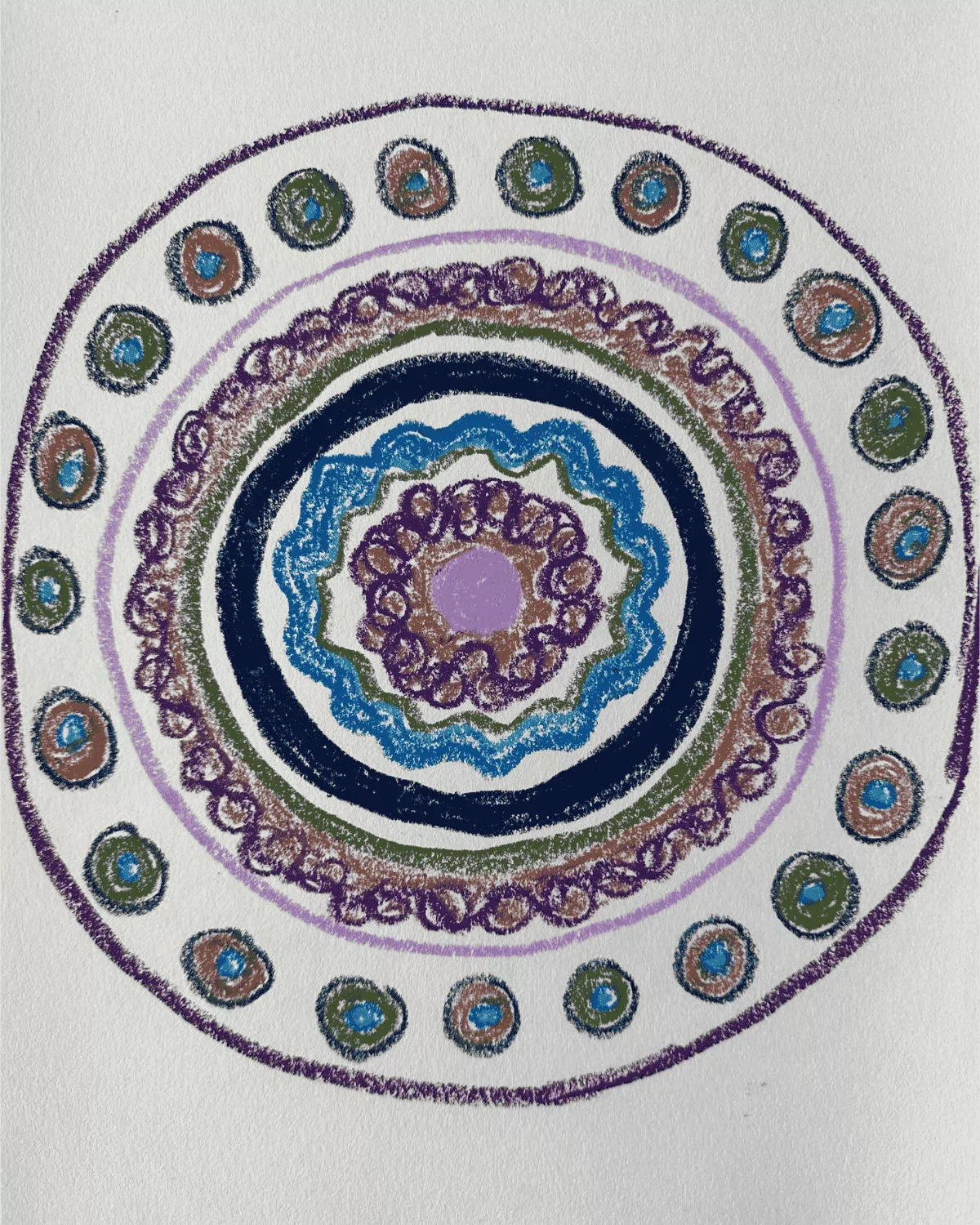
Many clinicians sense that including art, movement, music, and writing can help clients go deeper, while also wanting guidance that is ethical, evidence‑informed, and supported by clinical experience. Expressive Arts Collective provides that structure so expressive arts methods can be woven into therapy with both creative freedom and professional integrity.
These trainings are also designed to contribute toward the educational requirements for Registered Expressive Arts Therapist (REAT) credentialing through the International Expressive Arts Therapy Association (IEATA.) Whether you are looking for experiential ways to learn new content and get CEs, looking for small ways to integrate creativity into your existing work, or ready for a deep dive into Expressive Arts Therapy as a clinical model, these trainings are for you!
Honoring How Trauma Heals
Contemporary trauma research continues to highlight the importance of “bottom‑up” processing approaches that engage the body, senses, imagination, and nervous system alongside insight and reflection. Expressive arts therapy sits at this intersection: a healing process rooted in ancient practices of storytelling, ritual, movement, and image‑making, now supported by continually emerging neuroscience that highlights how sensory, embodied, and imaginative experiences can enhance trauma treatment outcomes and deepen clinical care.
Many clinicians notice increasing complexity in client presentations and recognize that talk‑only approaches may not fully reach the layers where trauma is held. At the same time, there can be uncertainty about how to incorporate expressive, sensory, and movement‑based processes in ways that are structured, ethically grounded, and responsive to trauma.
A dedicated, intentional space for exploring these methods often makes the difference between understanding bottom‑up work in theory and being able to apply it in practice. Trainings offered by Expressive Arts Collective combine teaching with experiential practice in a trauma-informed format. Clinicians learn through a parallel process—experiencing the work themselves while gaining practical tools and multiple pathways for integrating expressive arts approaches into their current clinical practice.
Clinical Expertise and Attuned Presence
Credentials and focus
Licensed Marriage & Family Therapist and Licensed Professional Counselor Supervisor with extensive experience supporting clients across multiple levels of care.
Registered Expressive Arts Therapist (REAT) with training in trauma‑informed, intermodal arts approaches.
EMDR trained, with a focus on integrating expressive arts processes into all eight phases of EMDR to support regulation, resourcing, processing, and integration.
IFS‑informed and mindfulness‑oriented, with a commitment to helping therapists remain connected to Self energy while expanding expressive arts competencies.
Carrie Henry, LMFT‑S, LPC‑S, REAT, is the founder of Expressive Arts Collective. As a therapist, supervisor, and expressive arts practitioner, Carrie brings a blend of clinical expertise, creativity, and attuned presence to every training space.
Expressive Arts Collective exists to offer training that honors both clinical excellence and the creative, authentic presence of the clinician.
Training Pathways with Expressive Arts Collective
-
Deepen your knowledge and practical application of expressive arts interventions while earning CEUs for licensure in an experiential, engaging format. You will learn how to integrate arts-based techniques into your existing work —ranging from simple, brief interventions to more extended practices, depending on client needs. Through immersive, experiential learning, you’ll also nourish your own creative process—supporting clinician self-care and helping prevent burnout while enhancing your presence and effectiveness in the therapy room.
-
In addition to the benefits above, all trainings are aligned with IEATA standards, so clinicians working toward Category B in REAT certification can gain training and support toward credentialing.
-
Graduate students, practicum students or interns may gain valuable skills to integrate creative interventions in an ethical, trauma-informed manner. Students interested in pursuing REAT may count these trainings toward certification, however please consult the IEATA website and throroughly review application guidelines, practicum and post graduate experience, and supervision requirements.
Clinician and Community Benefits
When expressive arts methods are integrated in solid clinical frameworks, sessions can become more flexible, responsive, and deeply engaging. Drawing, movement, music, writing, and imagery become structured options for accessing material that may not emerge through dialogue alone.
Therapists frequently report greater access to Self energy, curiosity, and presence in their work, along with a clearer structure for introducing creative processes in a trauma‑informed way. As these practices deepen, benefits often extend beyond individual sessions—supporting the therapist’s own self‑care and burnout prevention, nurturing more resilient professional communities, and contributing to collective cultures of healing that honor creativity, embodiment, and relational connection.
The Future of Healing Is Creative and Human
As the world becomes increasingly digital, the need for authentic human connection in healing has never been greater.
Trauma is not held only in our thoughts—it lives in the body, the nervous system, and the emotions we cannot always put into words. Expressive Arts Therapy uses creativity, movement, and artistic expression to access these deeper layers of experience, allowing healing to happen in ways traditional talk therapy alone often cannot.
While technology and AI can provide information, they cannot replace the power of human presence, relational attunement, and shared creative expression. Healing happens in relationship—through being seen, witnessed, and supported by another person.
Support for the Long‑Term Journey
Clinical training is an ongoing process. Expressive Arts Collective is designed to accompany therapists and counselors across seasons of growth, offering spaces where professional standards, personal authenticity, and creative exploration can coexist. Because experiential trainings are inherently dynamic, participants can attend the same training multiple times and have a different experience each time—continually gaining new insights, skills, and personal understanding.
Full disclosure: Once you experience learning through creative process, it may feel difficult to attend traditional trainings without crayons, markers and music again!